Chemotherapy – Targeted Cancer Treatment
Fight cancer at the cellular level.

Overview of Chemotherapy
Chemotherapy is a systemic treatment that uses anticancer drugs to destroy or inhibit the growth of malignant cells. It is a cornerstone of modern oncology and may be used alone or alongside surgery, radiation, immunotherapy, or hormone therapy.
Key Facts:
- Targets rapidly dividing cells
- Can treat localized or metastatic cancer
- Available in multiple delivery formats
- Customizable based on cancer type, stage, and patient health

How Chemotherapy Works ?
Chemotherapy drugs work by interfering with cell division and DNA replication. While cancer cells are the primary target, some healthy cells (especially fast-dividing ones) are affected too.
Mechanisms of Action:
- 🧬 DNA Damage: Alkylating agents cross-link DNA strands, halting replication.
- 🚫 Mitotic Inhibition: Plant alkaloids block spindle formation during mitosis.
- 🧫 Metabolic Disruption: Antimetabolites mimic natural substances to disrupt DNA/RNA synthesis.
- 🎯 Targeted Delivery (new generation): Drugs attack specific cancer markers.
Types of Chemotherapy Drugs
| Drug Class | Mechanism | Examples |
|---|---|---|
| Alkylating Agents | DNA cross-linking | Cyclophosphamide |
| Antimetabolites | Inhibit DNA/RNA synthesis | Methotrexate, 5-FU |
| Plant Alkaloids | Stop mitosis | Vincristine, Paclitaxel |
| Antitumor Antibiotics | DNA/RNA synthesis disruption | Doxorubicin, Bleomycin |
| Monoclonal Antibodies | Target specific cancer receptors | Trastuzumab, Rituximab |
🧾 Types of Cancer Treated with Chemotherapy
Chemotherapy is effective against both solid tumors and hematologic malignancies:
Breast cancer

Ovarian and cervical cancers
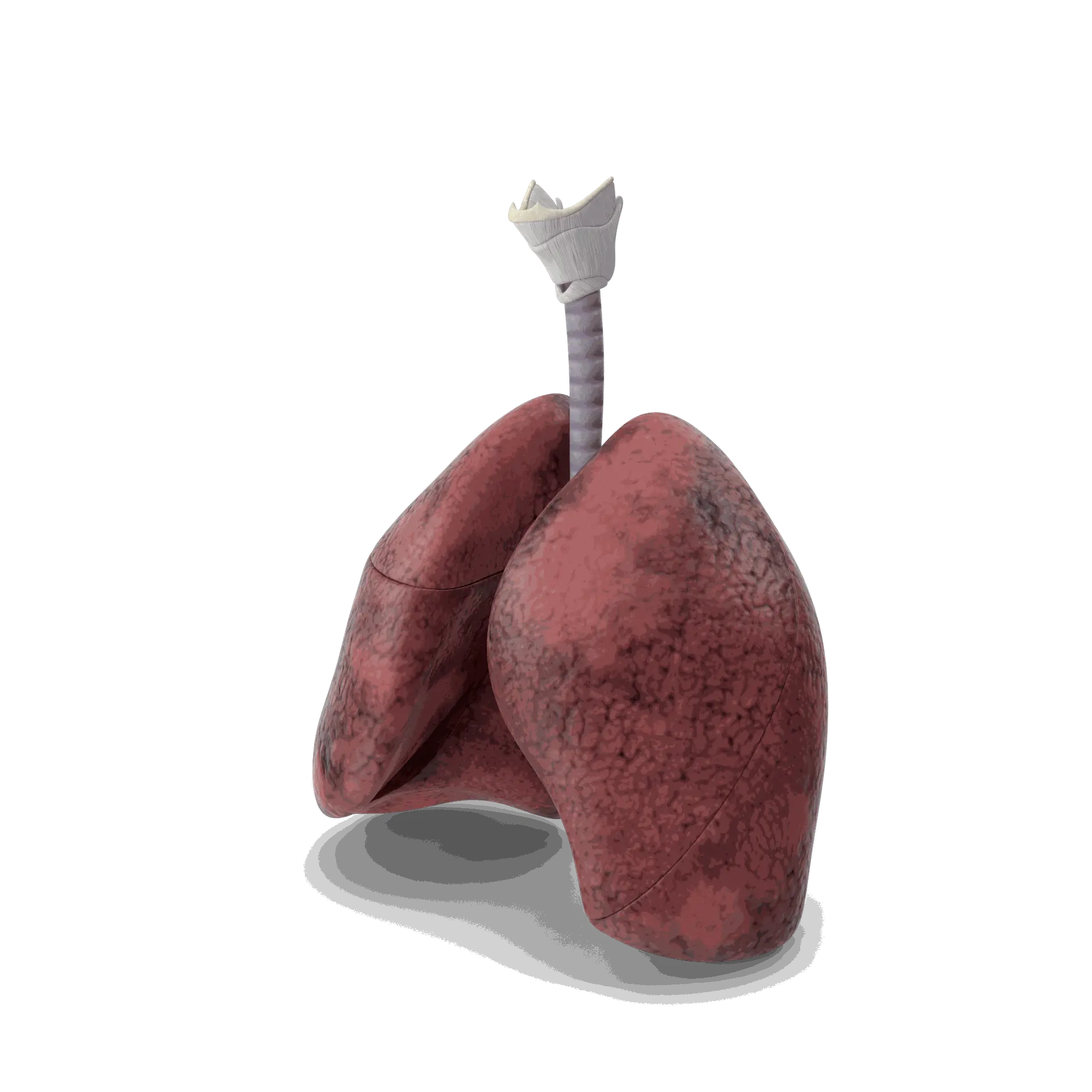
Lung cancer

Pancreatic cancer

Colorectal cancer
💉 Administration Methods
| Route | Description |
|---|---|
| Intravenous (IV) | Most common, via vein or port |
| Oral | Pills or capsules at home |
| Subcutaneous | Injected under the skin |
| Intramuscular | Into muscle tissue |
| Intrathecal | Directly into cerebrospinal fluid |
| Topical | Applied to skin cancers |
Management Strategies:
- 💊 Antiemetics (e.g., ondansetron)
- 🩸 Growth factors (e.g., filgrastim)
- 🍲 Nutritional support
- 😴 Psychological counseling
- 🧘 Relaxation therapies
⚠️ Side Effects & Management
Chemotherapy may cause temporary or long-term side effects, depending on the drug type, dose, and duration.
Common Side Effects
- Fatigue, nausea, vomiting
- Hair loss (alopecia)
- Anemia, neutropenia (low blood counts)
- Mouth sores, diarrhea or constipation
- Fertility changes
- Cognitive effects ("chemo brain")